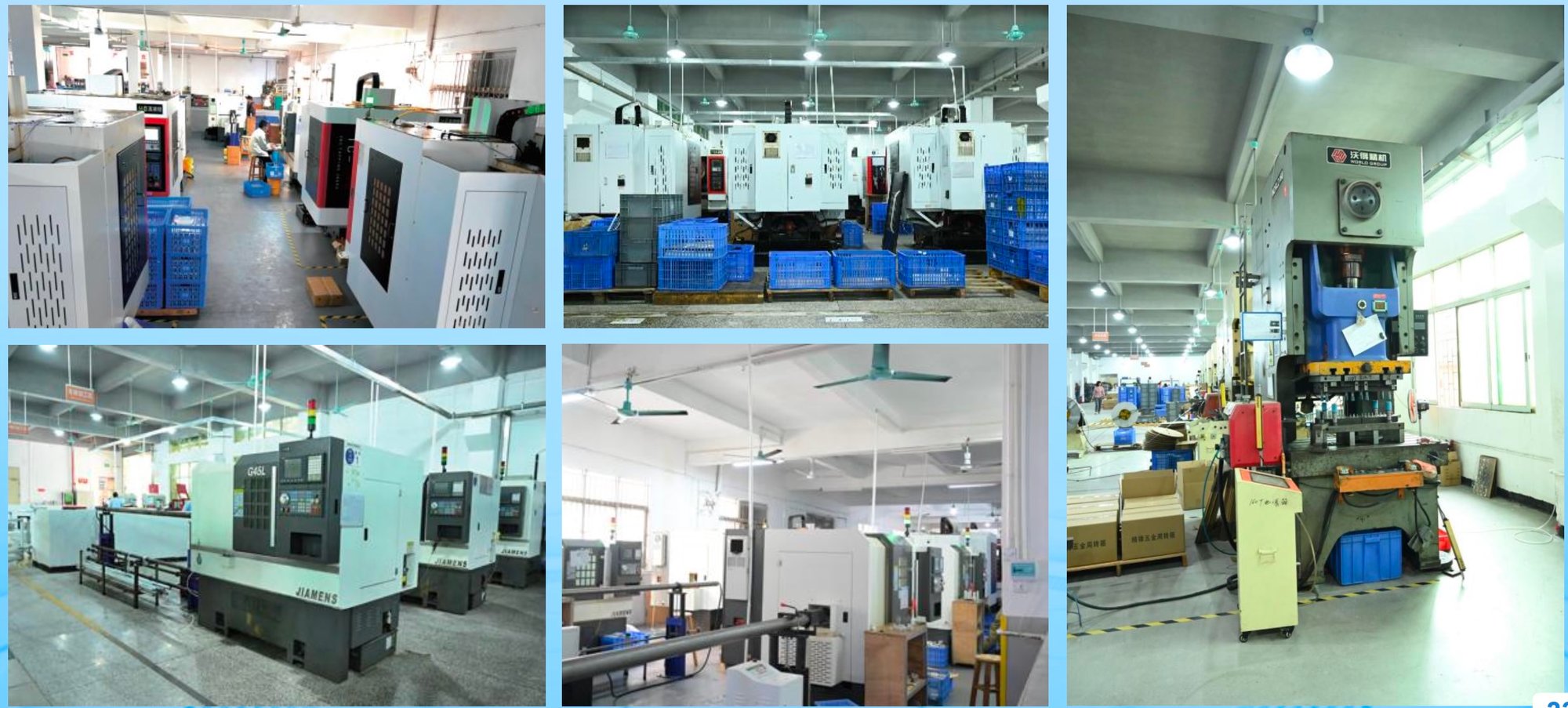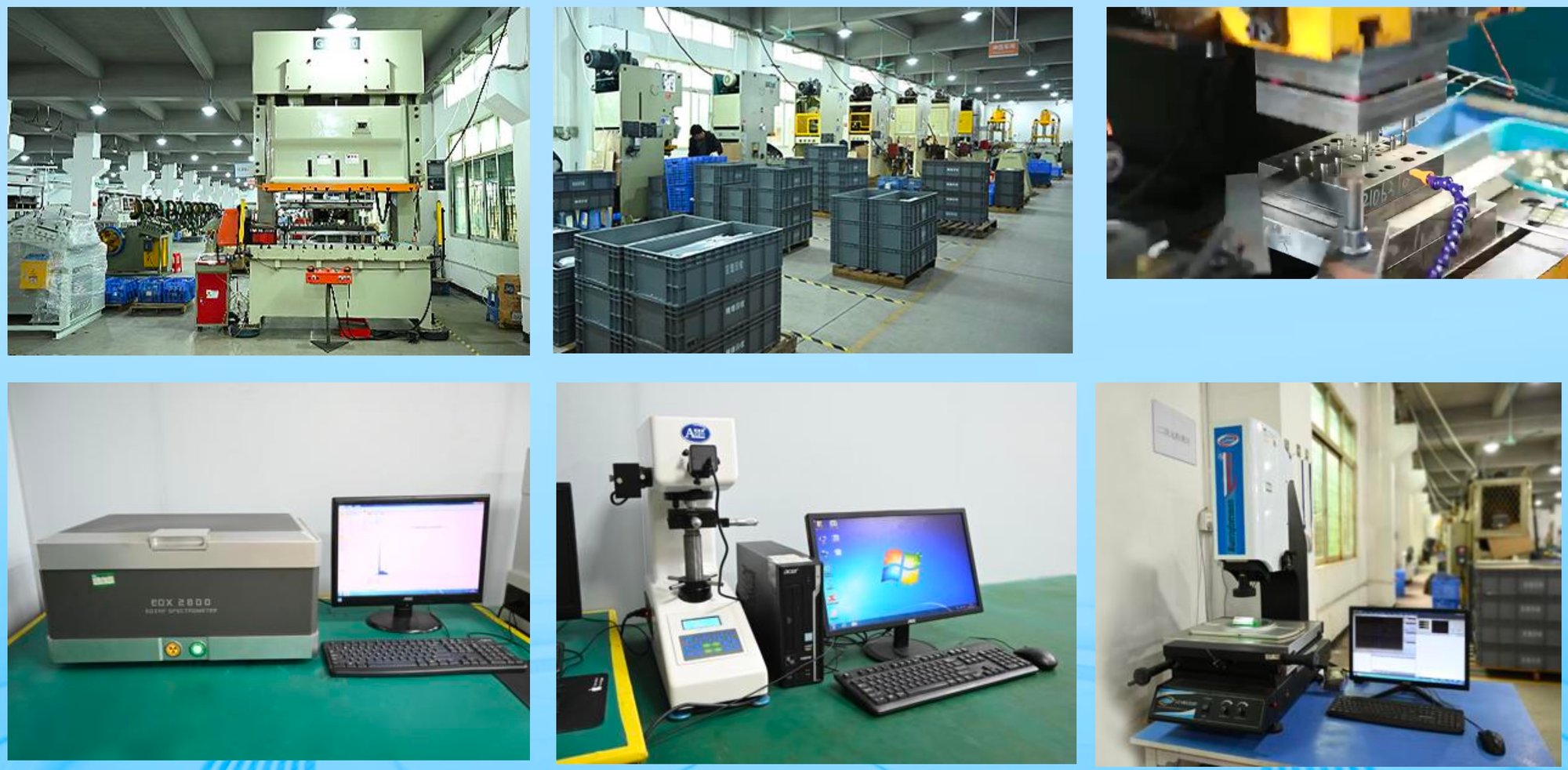
Manufacturing Capability
One program rarely needs a single process. A bracket may be forged and then machined; a housing may be die cast, then finished and inspected against the assembly’s requirements. This page is the overview of how our engineering, QC and production team reviews and manufactures custom metal parts for buyers in the United States and other markets we quote. Each process has its own page with the drawing and RFQ details that belong there.
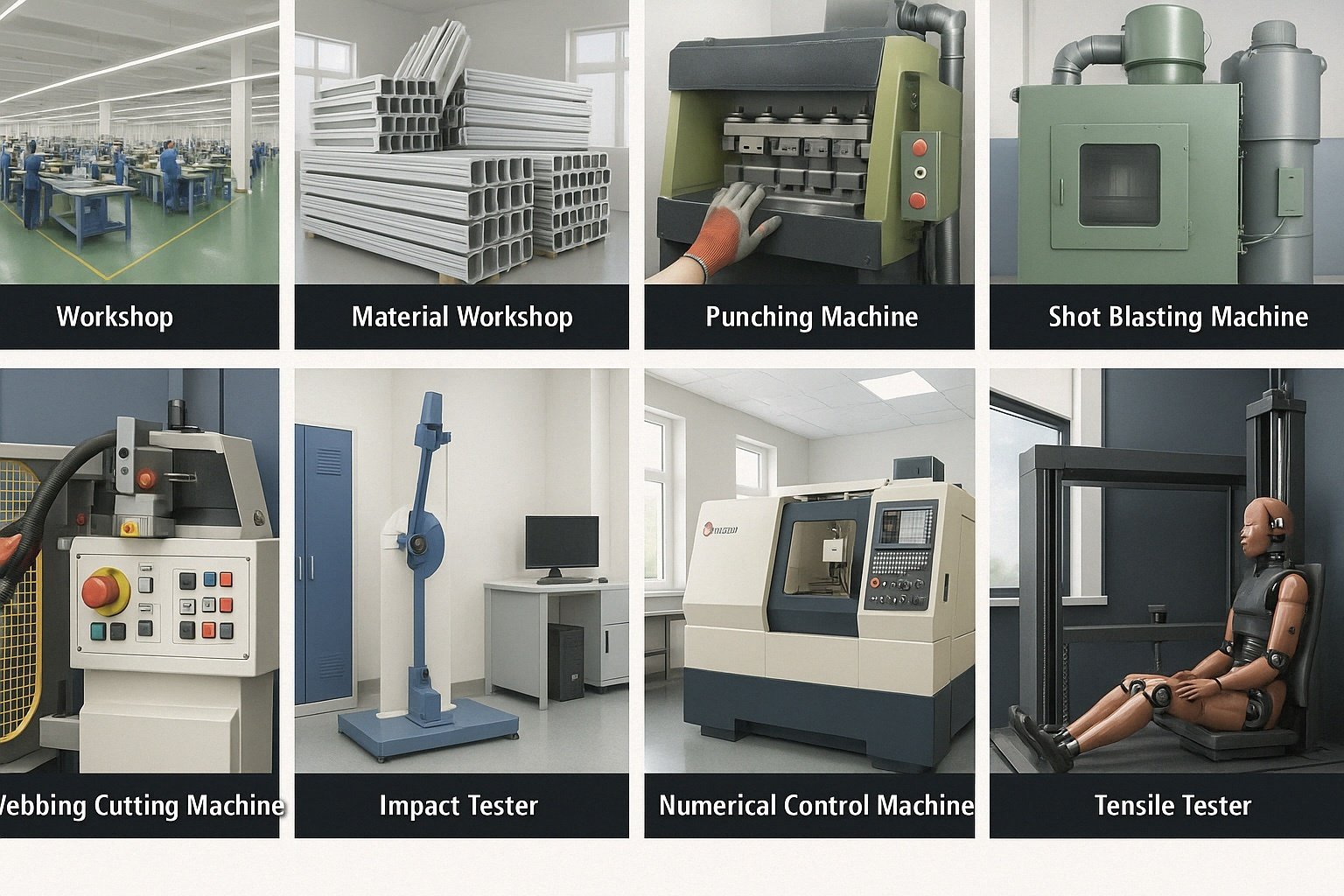
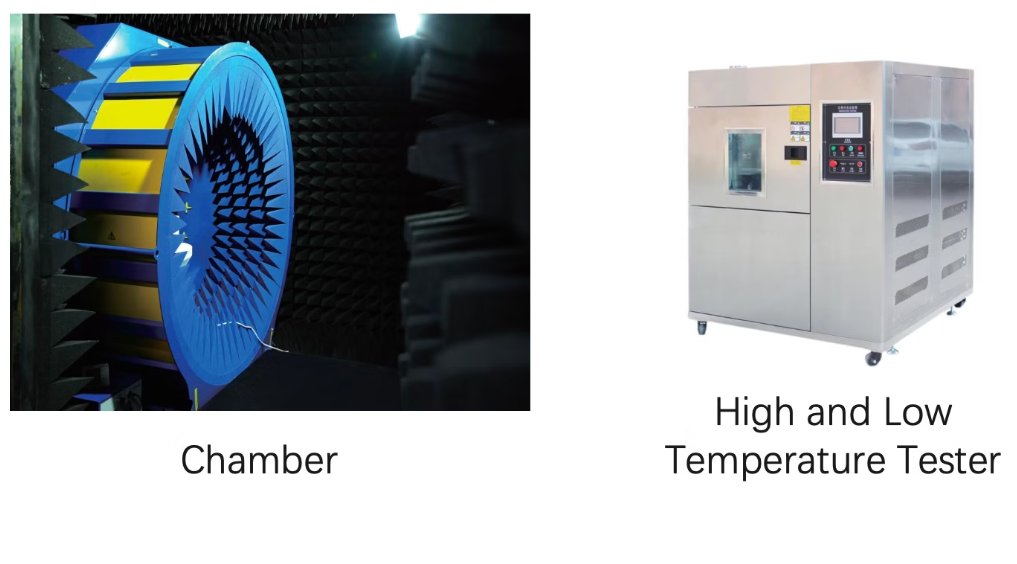
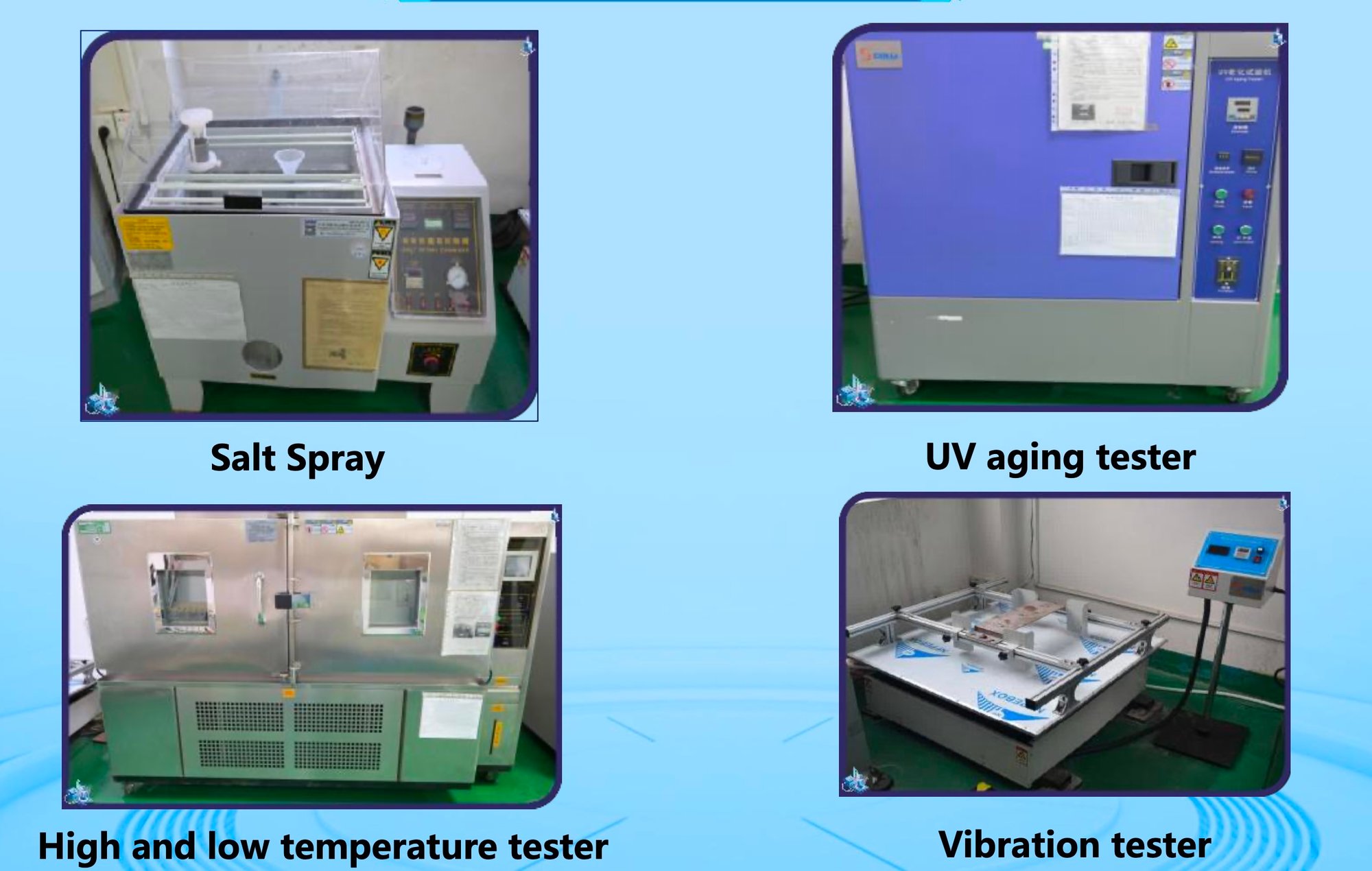
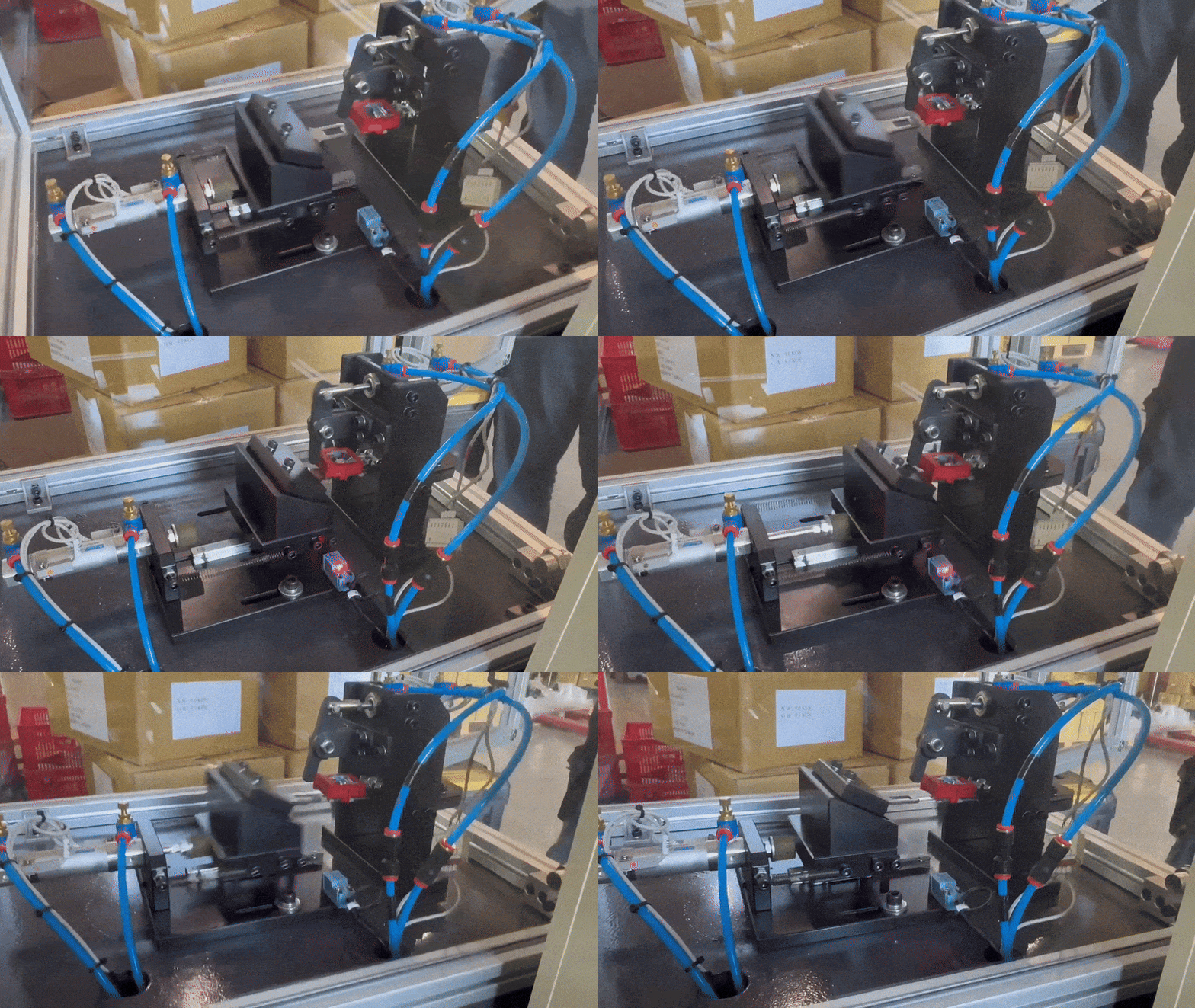
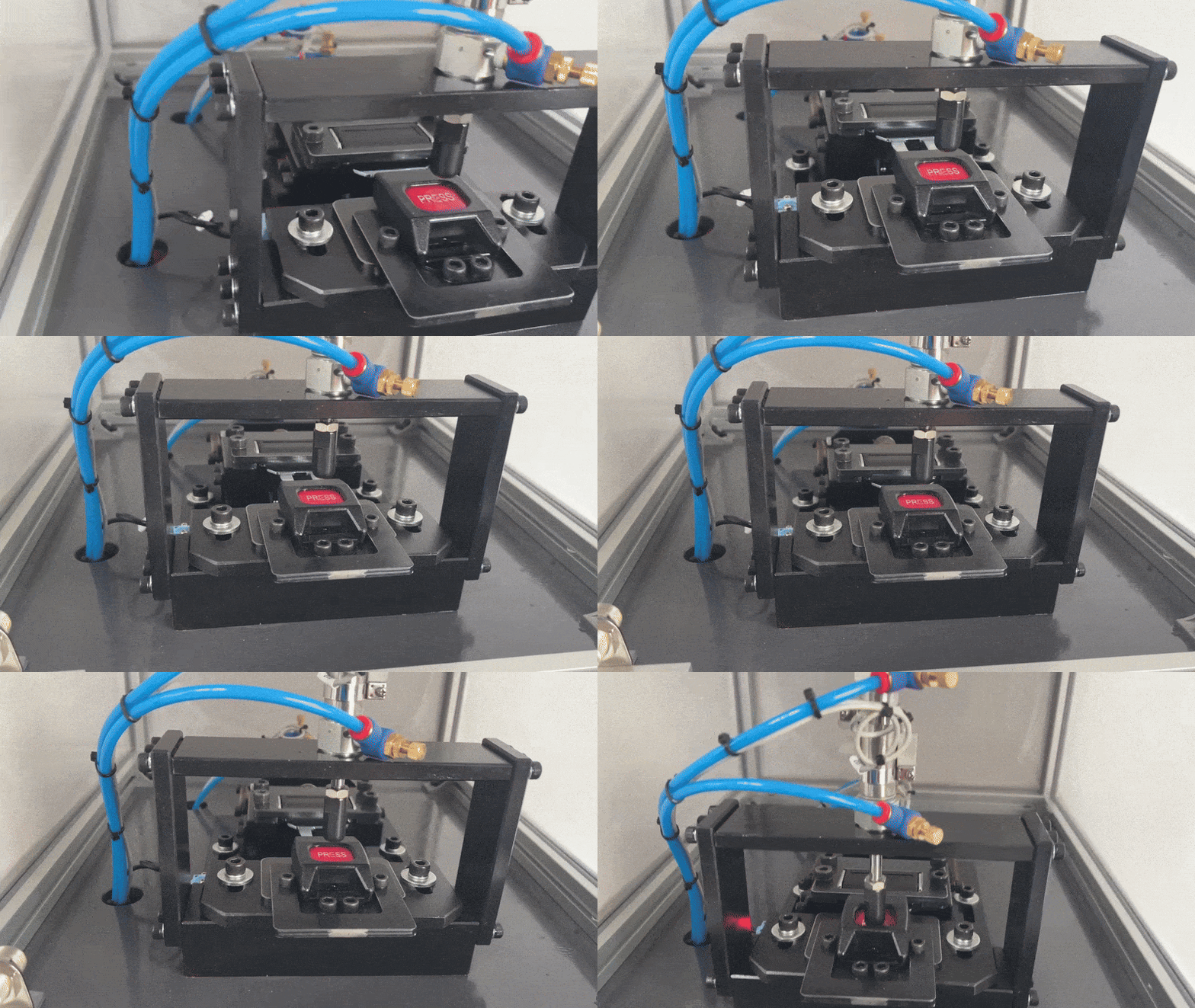
Dynamic Testing
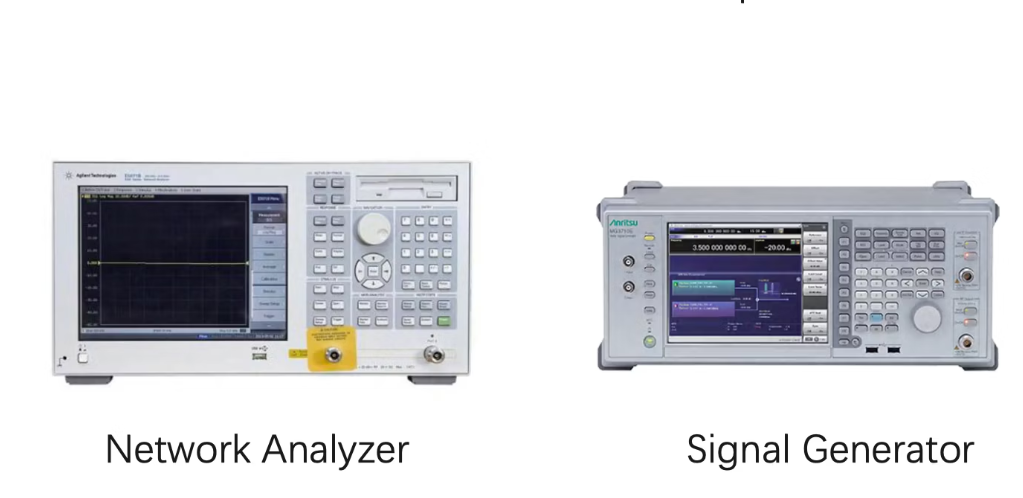
Precision Measurement
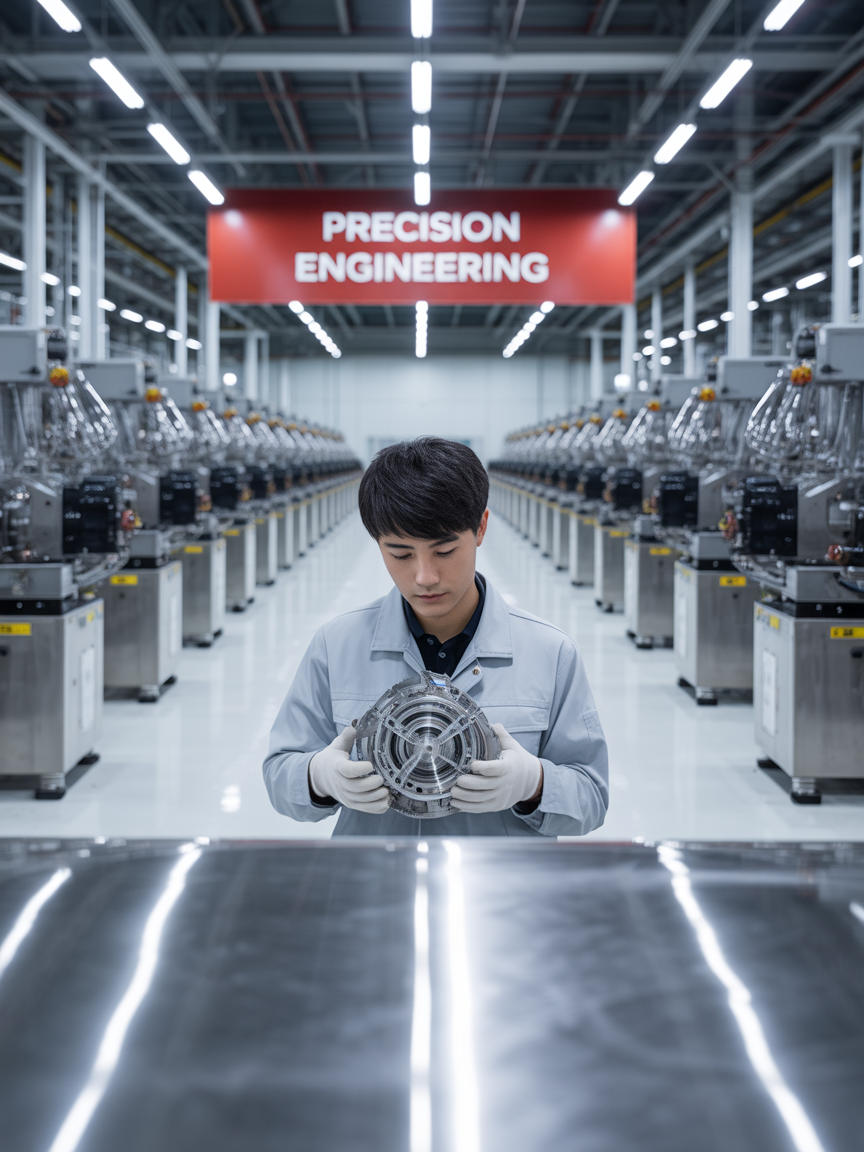
Material
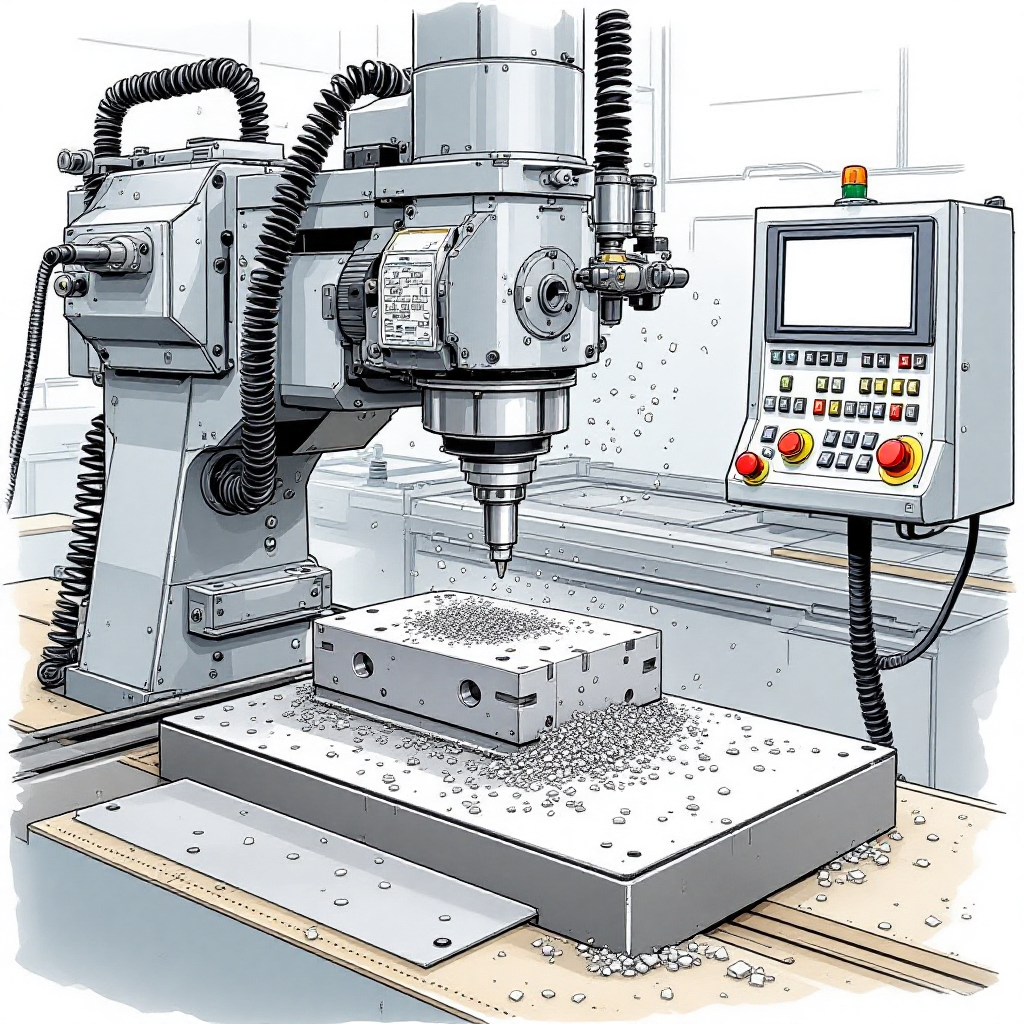
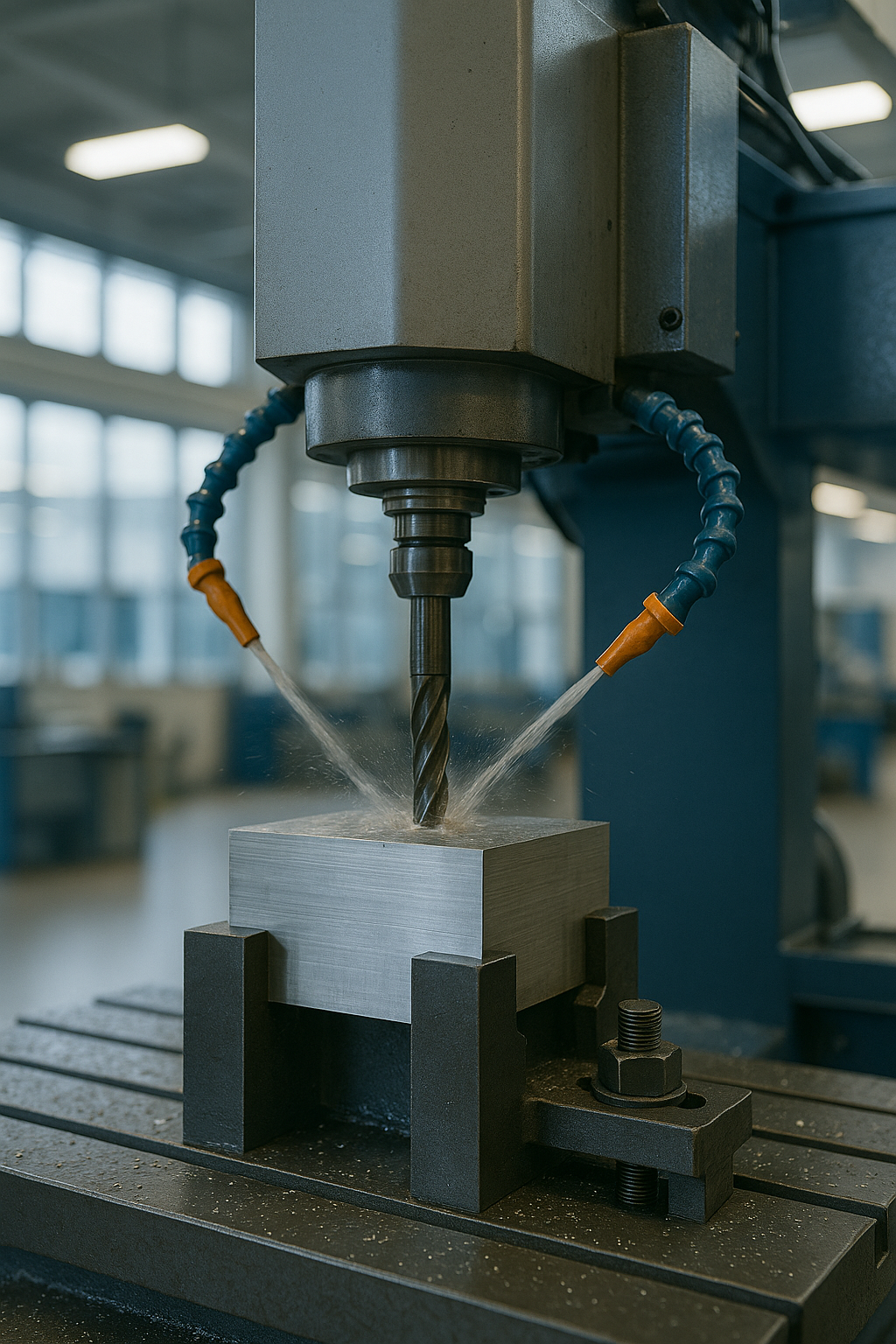
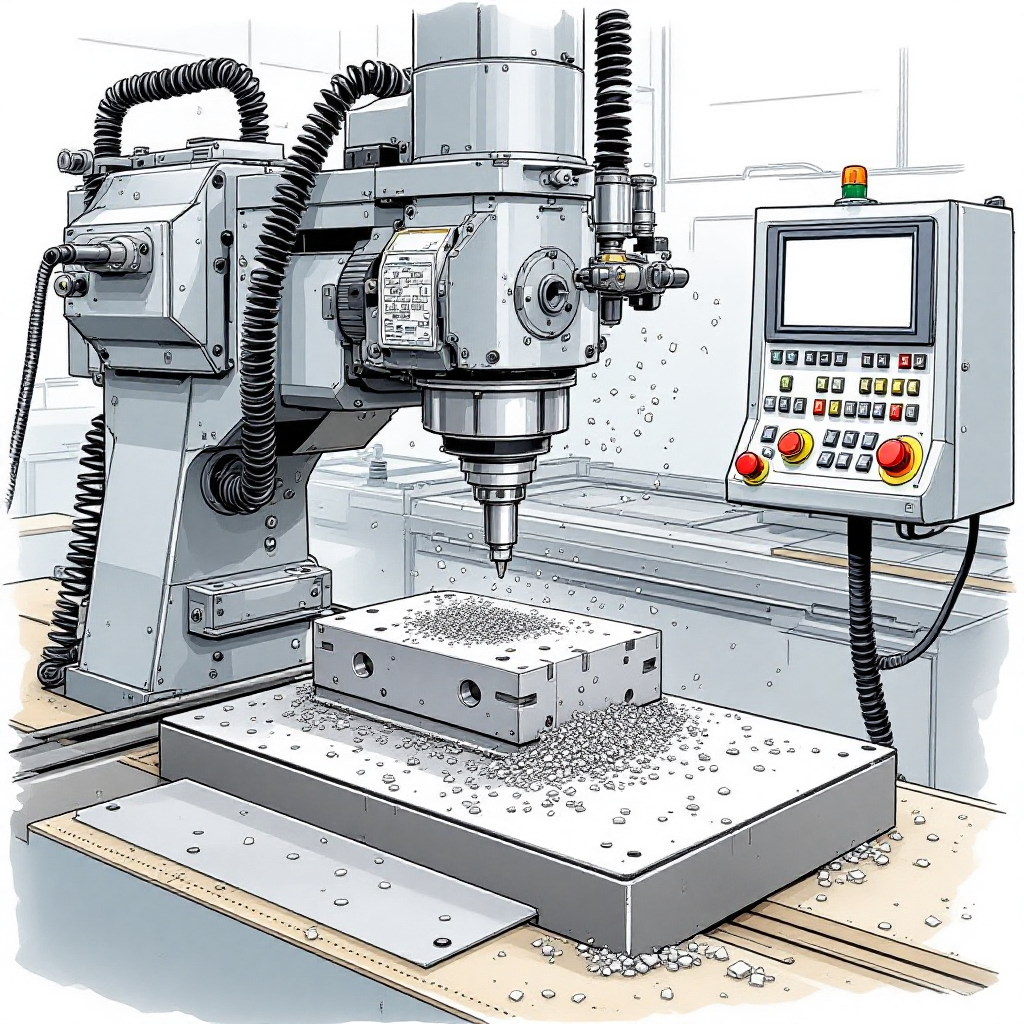
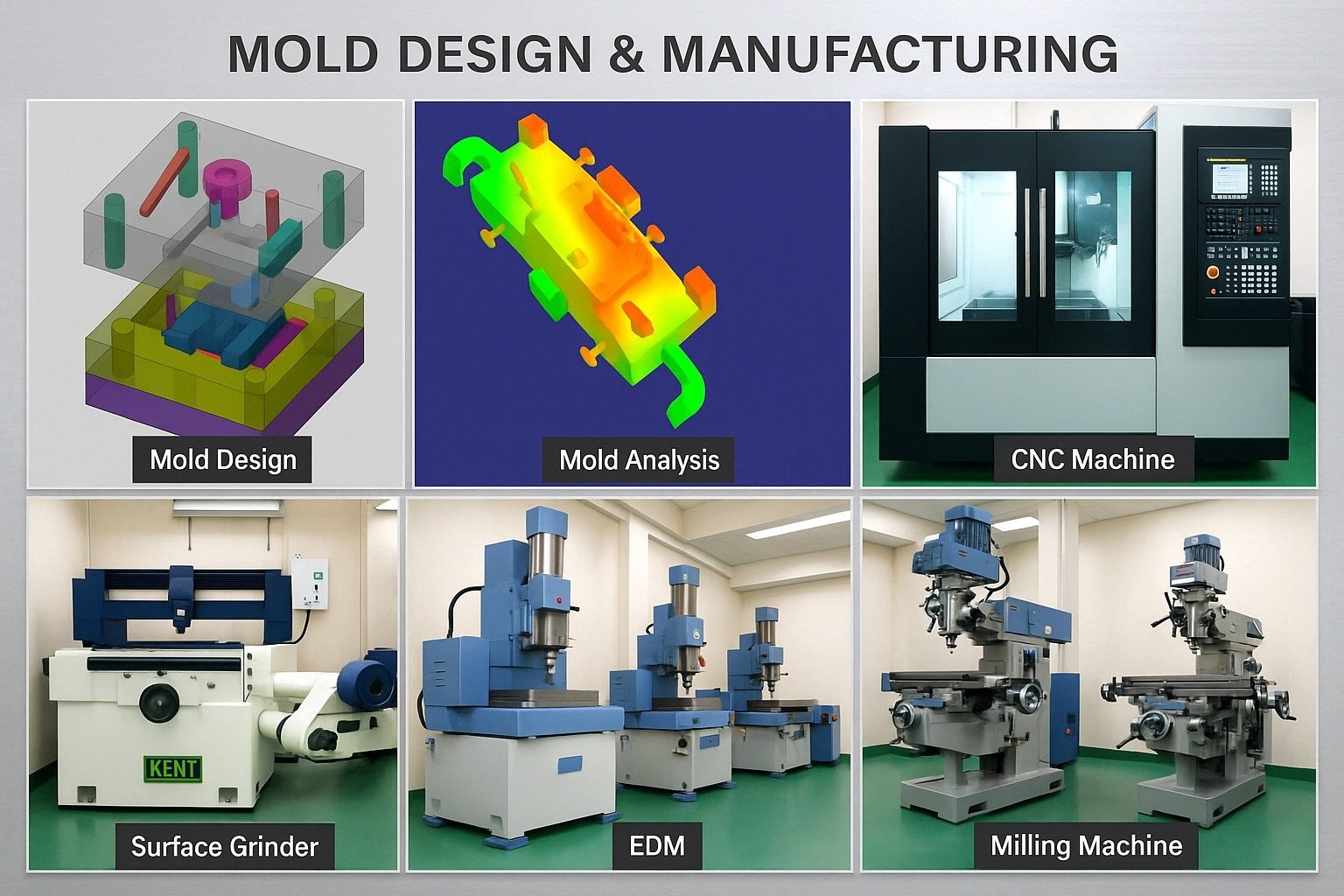
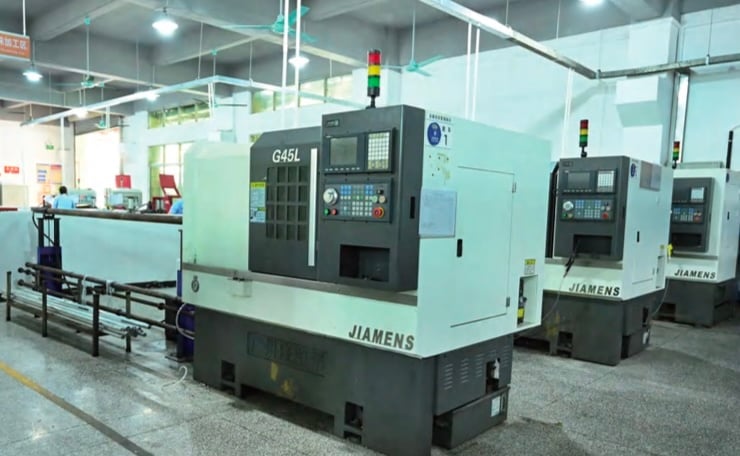
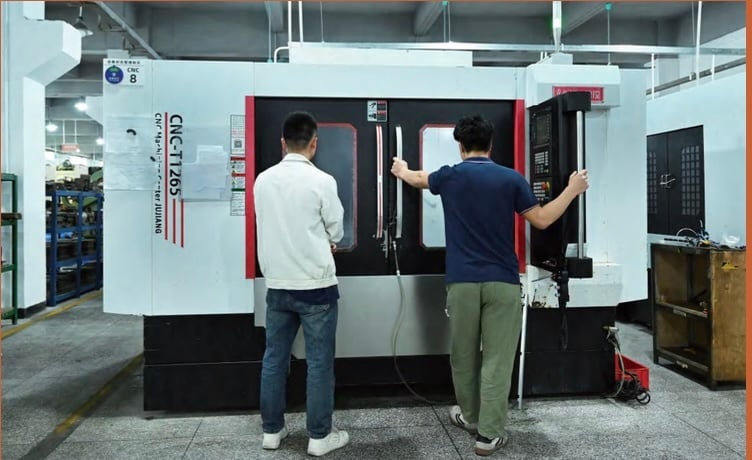
CNC Machining
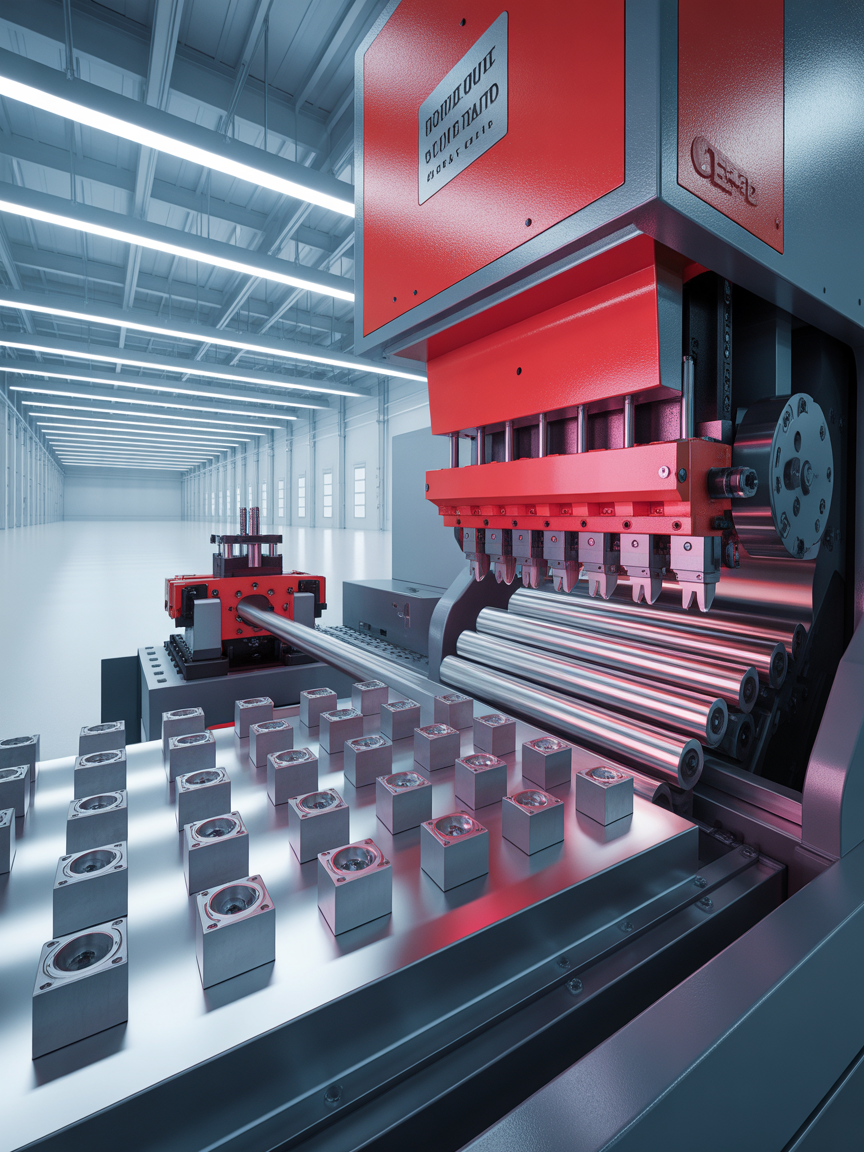
Metal Stamping
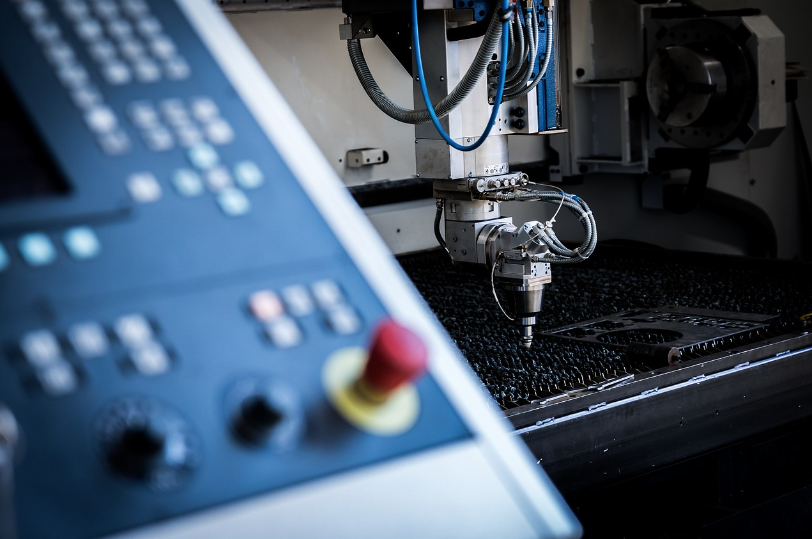
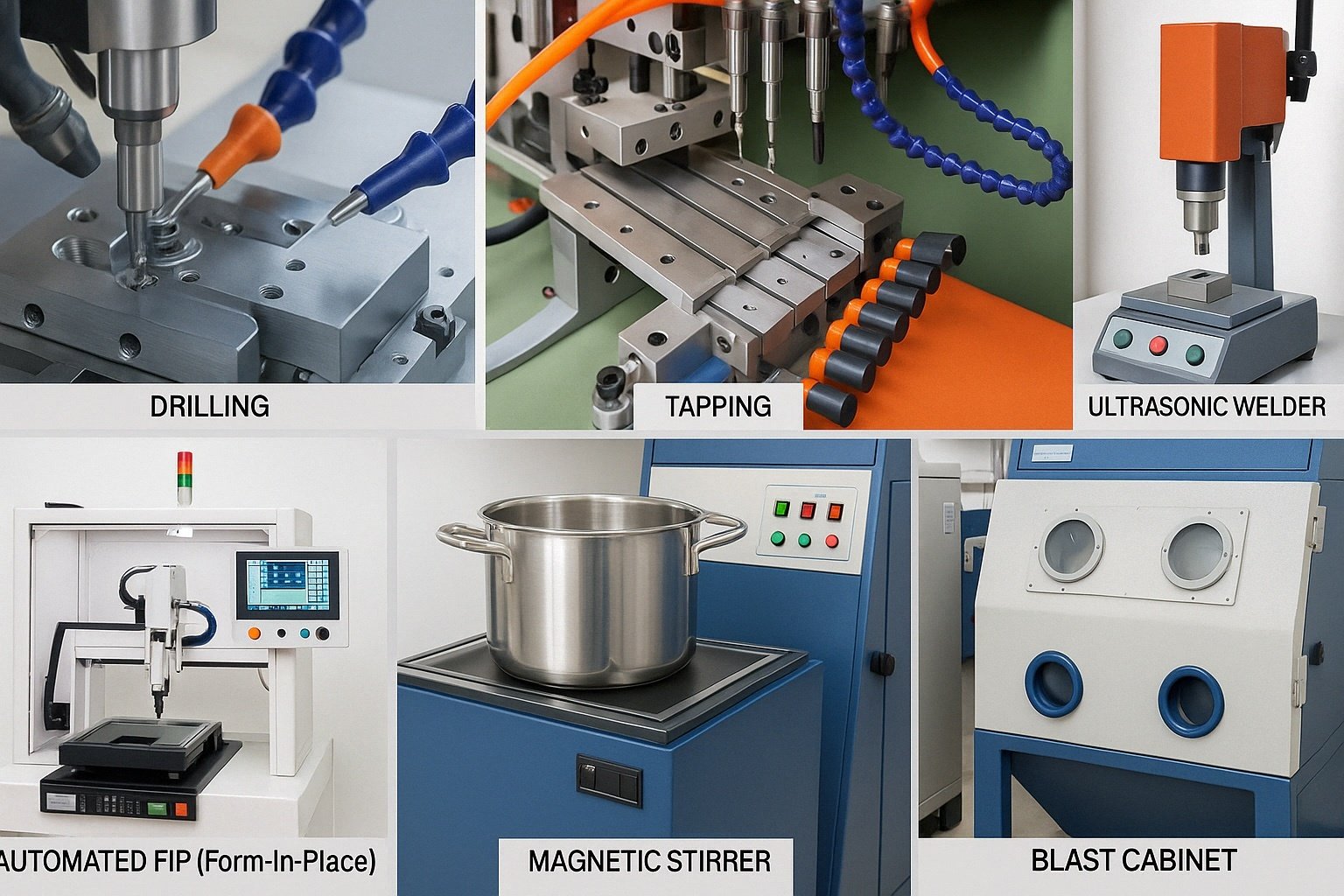
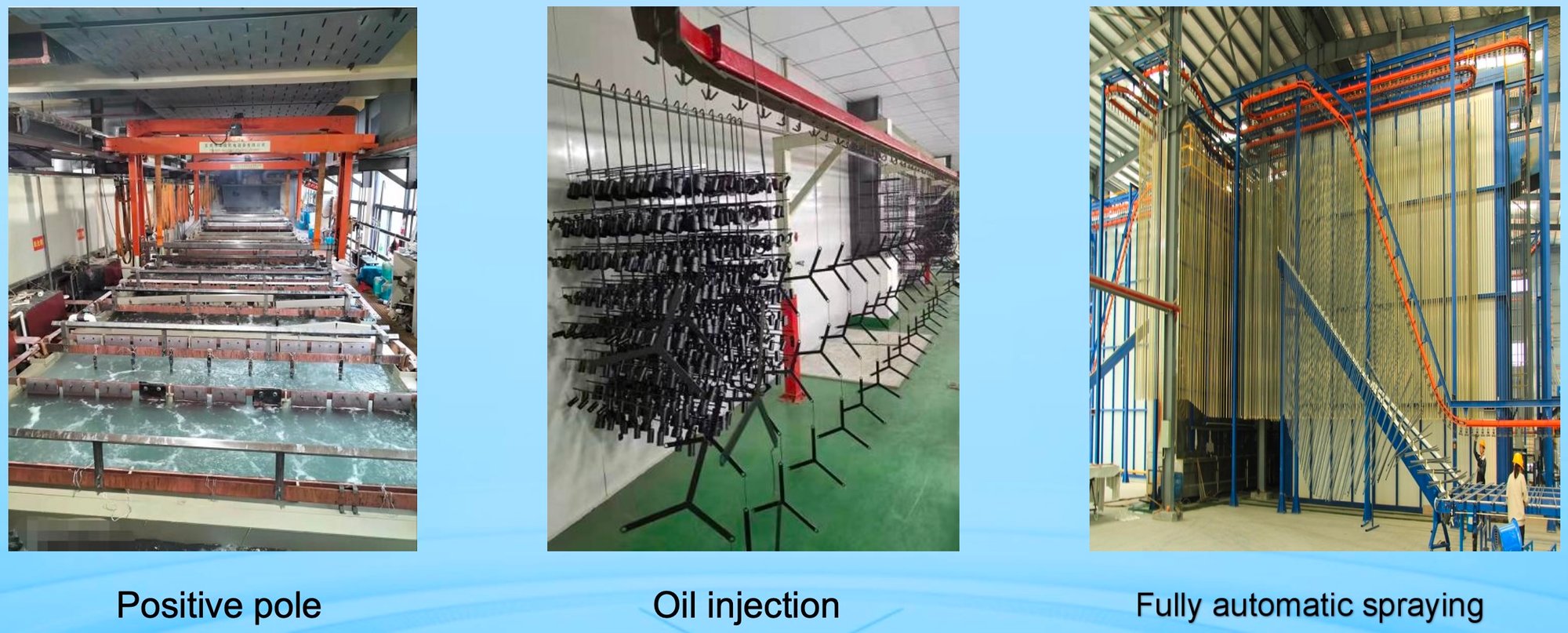
Finishing Processes
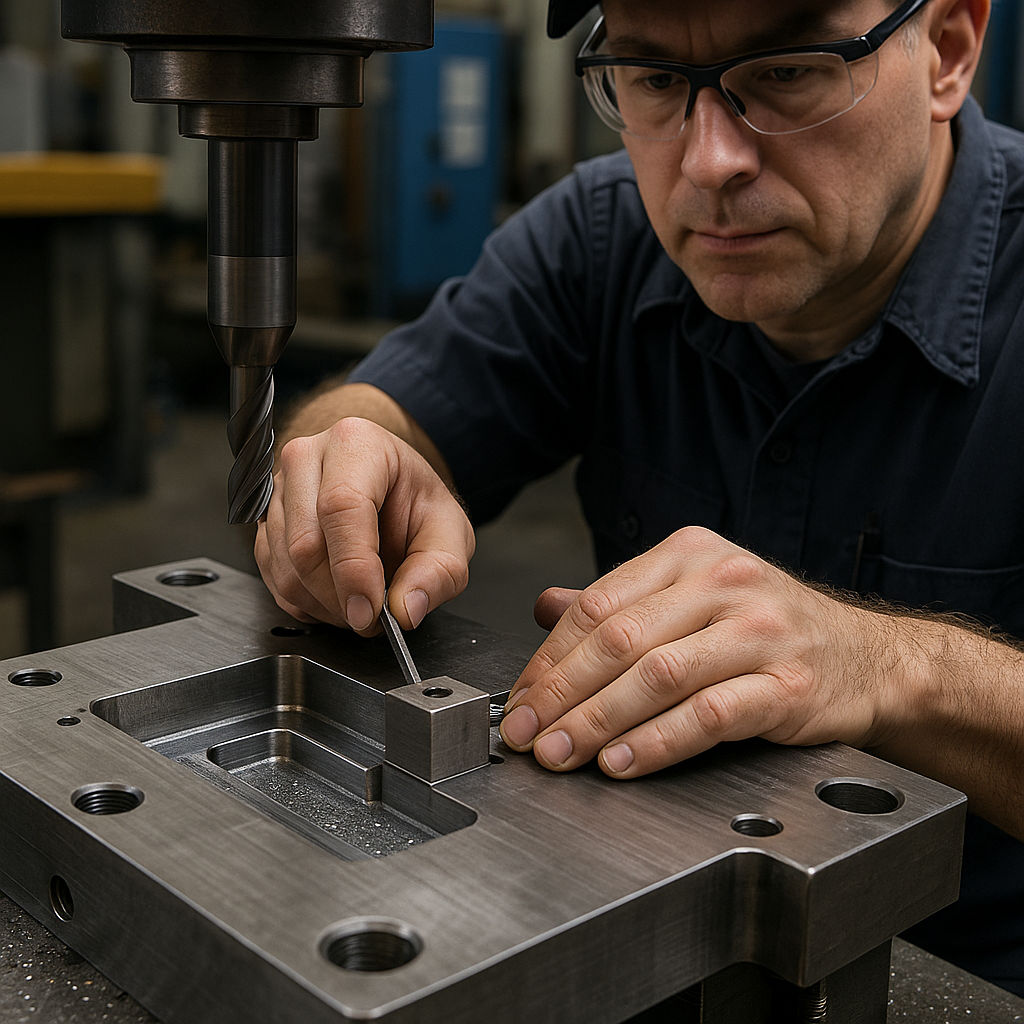
In-House Tooling
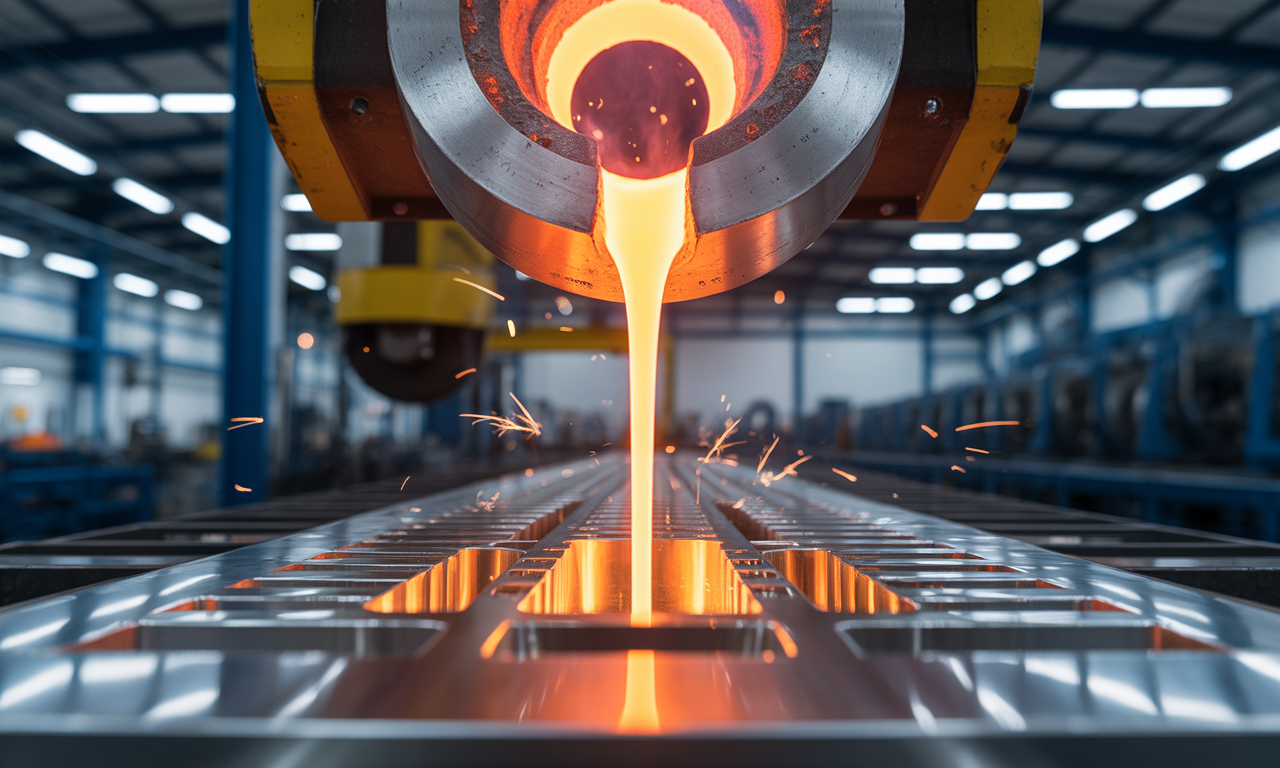
Precision Manufacturing
Processes we manufacture
• CNC machining. Milling and turning for parts whose critical fits, datums, finish, and inspection requirements need to be defined before the first cut.
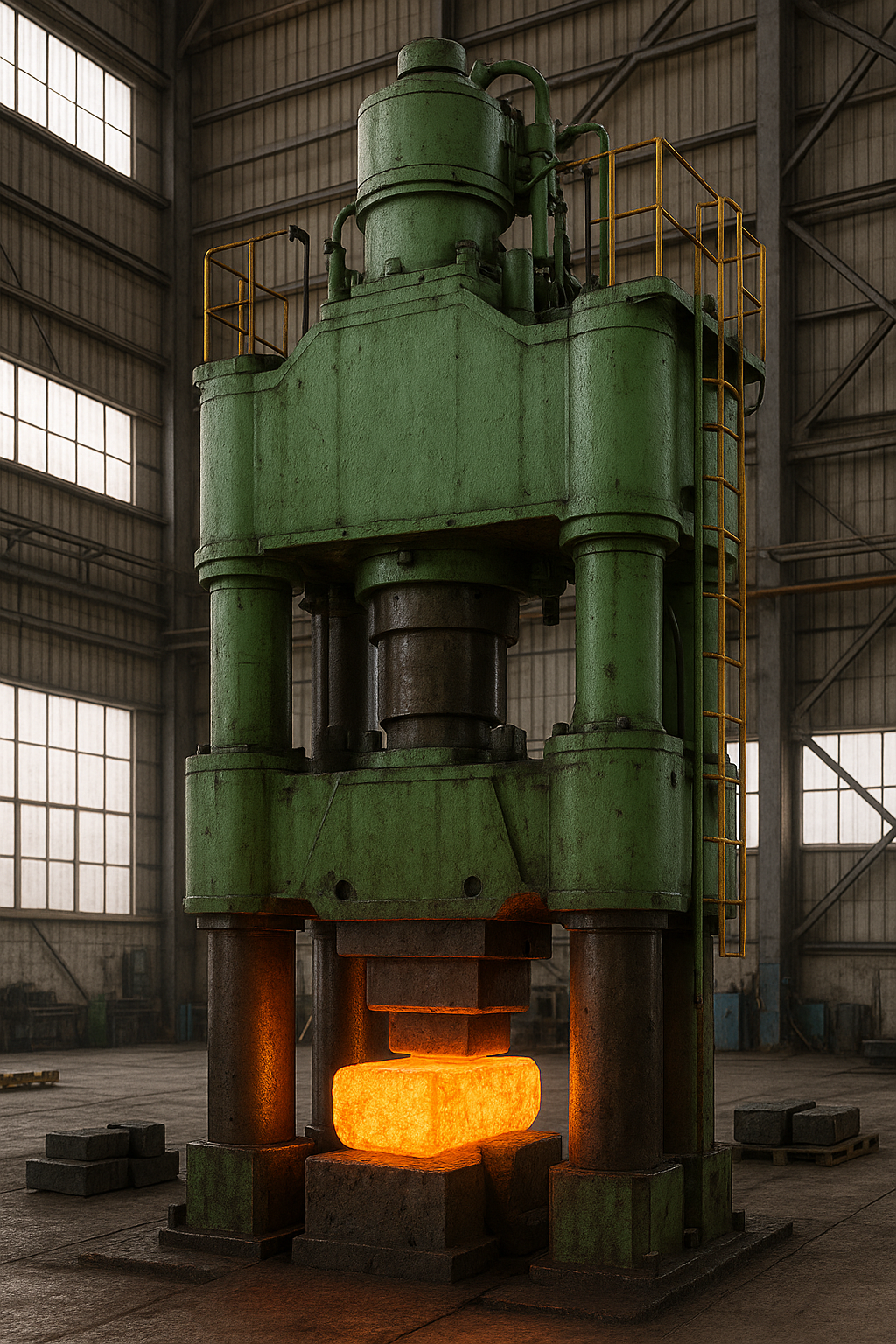
• Forging. Aluminum and brass forging, quoted to a stated delivery condition — a forging ready for machining, a machined blank, or a finished component.
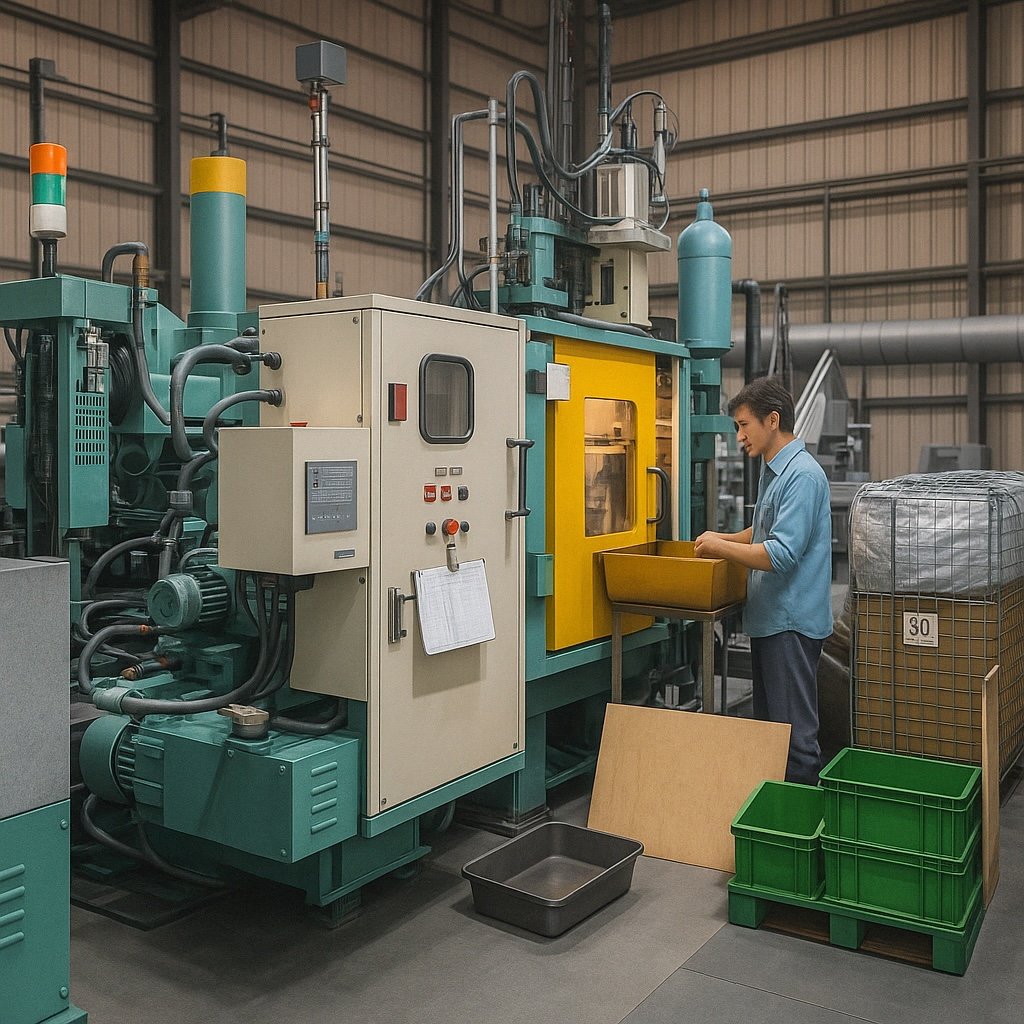
• Die casting. Cast housings, enclosures, and similar components, with tooling and piece cost compared separately and with the surfaces that still need machining clearly marked.
• Metal stamping. Formed and stamped sheet-metal parts, with bend geometry, burr direction, and tooling scope defined at quotation.
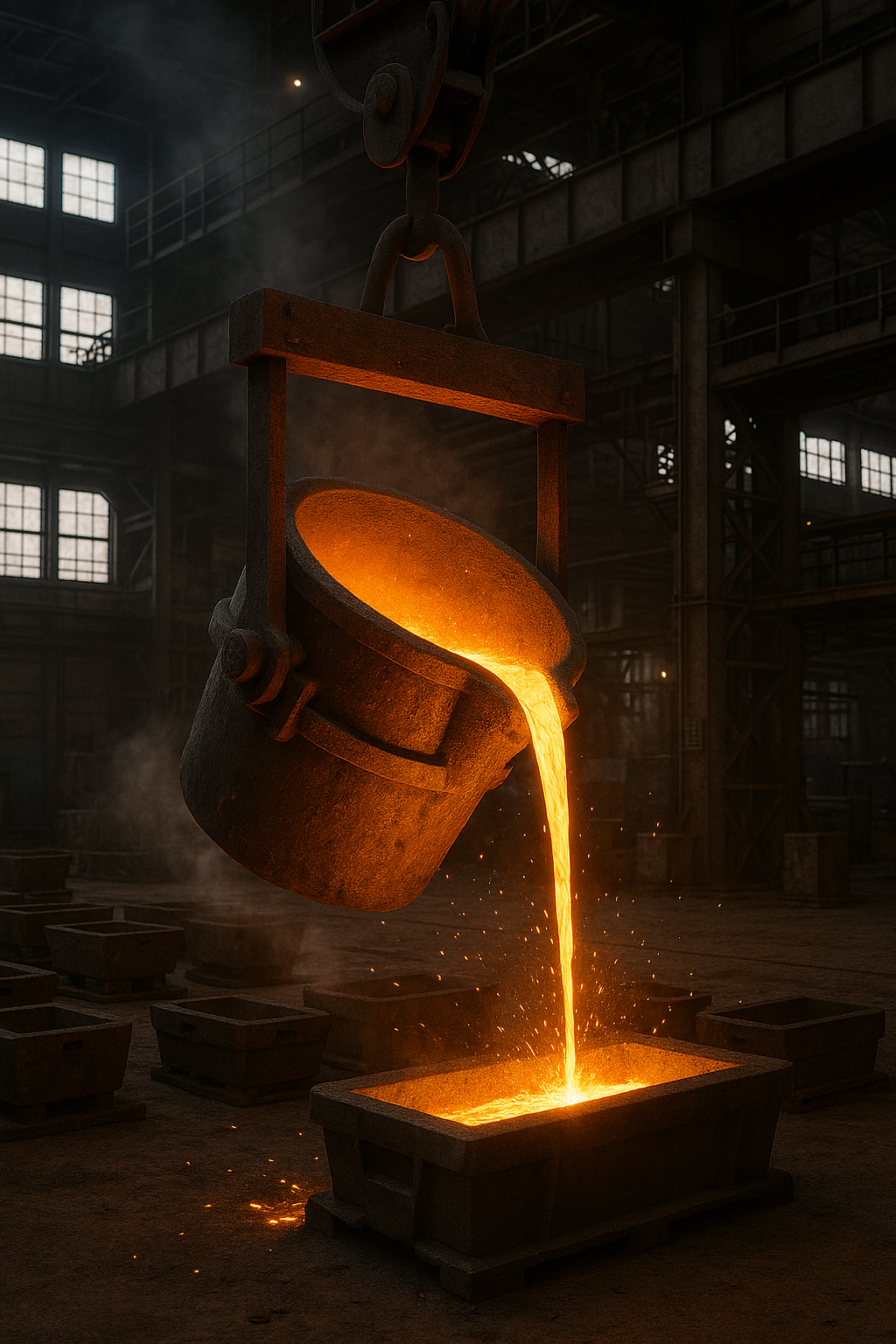
• Investment casting. Lost-wax cast components, with a clear boundary between as-cast surfaces and features that require machining.

Inspection and quality
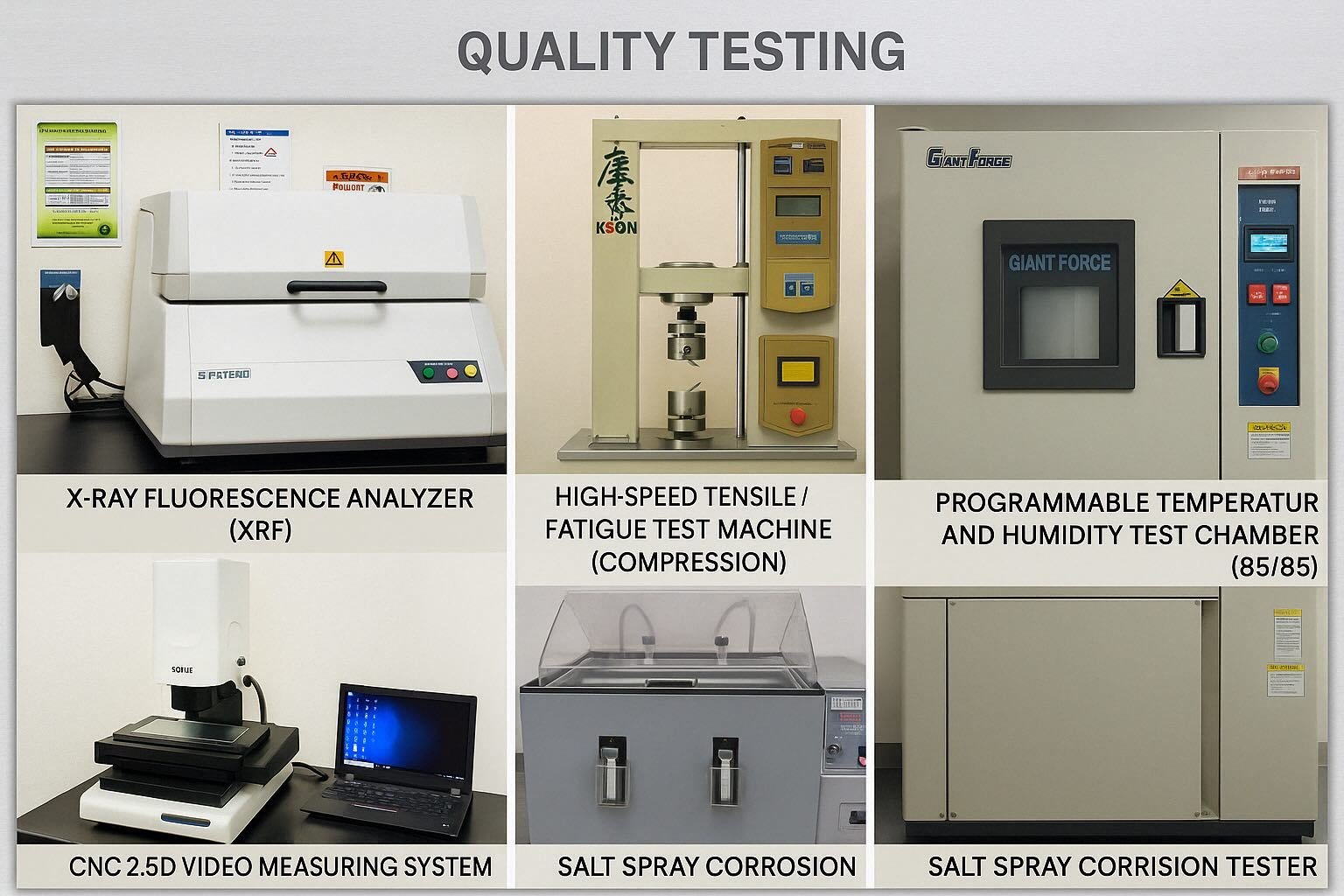
Quality methods are set for the job and may include incoming material checks, in-process inspection, and a final inspection against the agreed drawing and plan. First-article or other inspection documents can be included when they are requested in the RFQ.

Industries
Programs are reviewed against the drawing and the industry or application requirements stated in the RFQ.

Where to go next
• Process pages: CNC machining · Forging · Die casting · Stamping · Investment casting
• Submit files: Request a quote
• Protect drawings first: Sign an NDA
• Common buyer questions: FAQ
• RFQ checklist: What to include in an RFQ

Frequently asked questions

Which process should I choose for my part?
It depends on the geometry, material, quantity, and which features must be machined or sealed in the assembly. If that is not yet settled, send the drawing and the expected quantities on the RFQ page. Our engineering, QC and production team will review the part and, where more than one process could apply, explain the difference in the quote.
How a program is reviewed
Our engineering, QC and production team reviews the drawing and model, the material and finish, the quantity, and the delivered condition expected.
When a part uses more than one process, those steps are quoted together so the price describes the part that will be received, not an isolated operation.
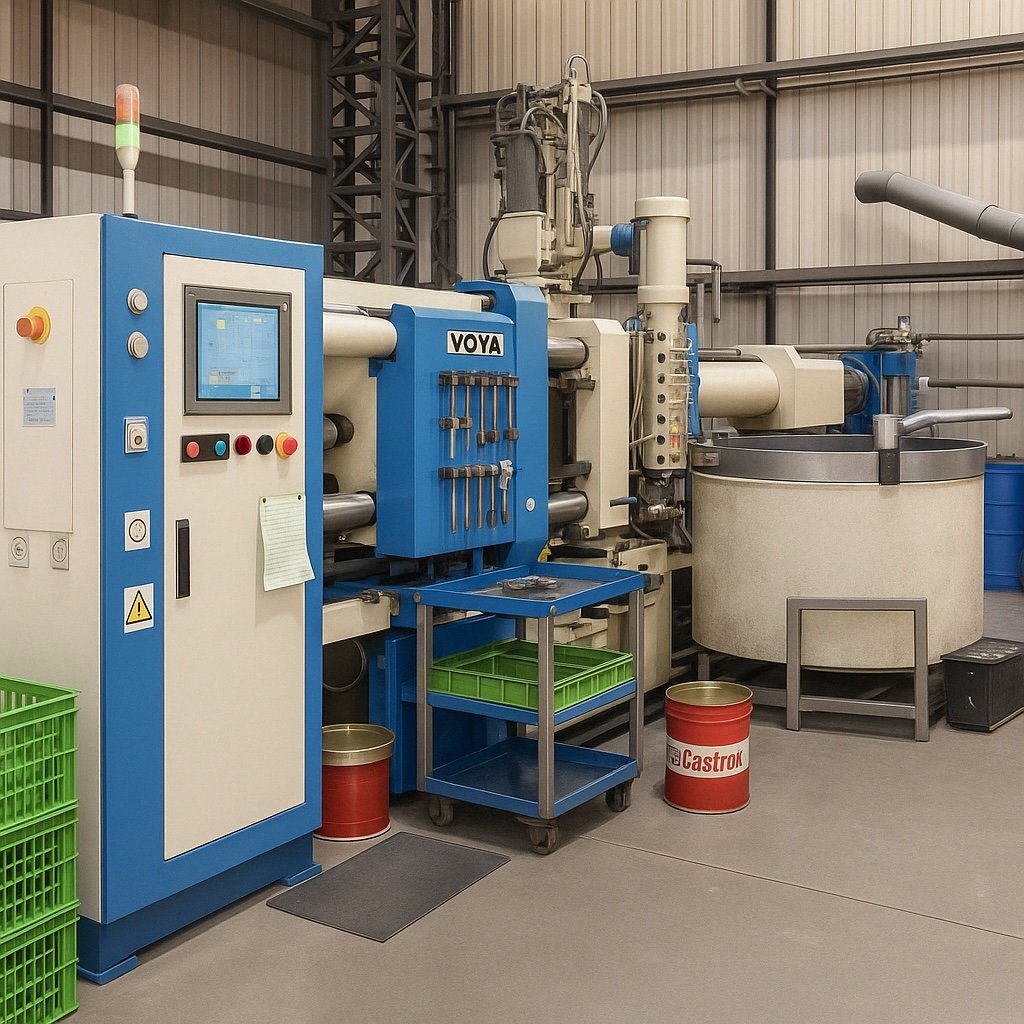
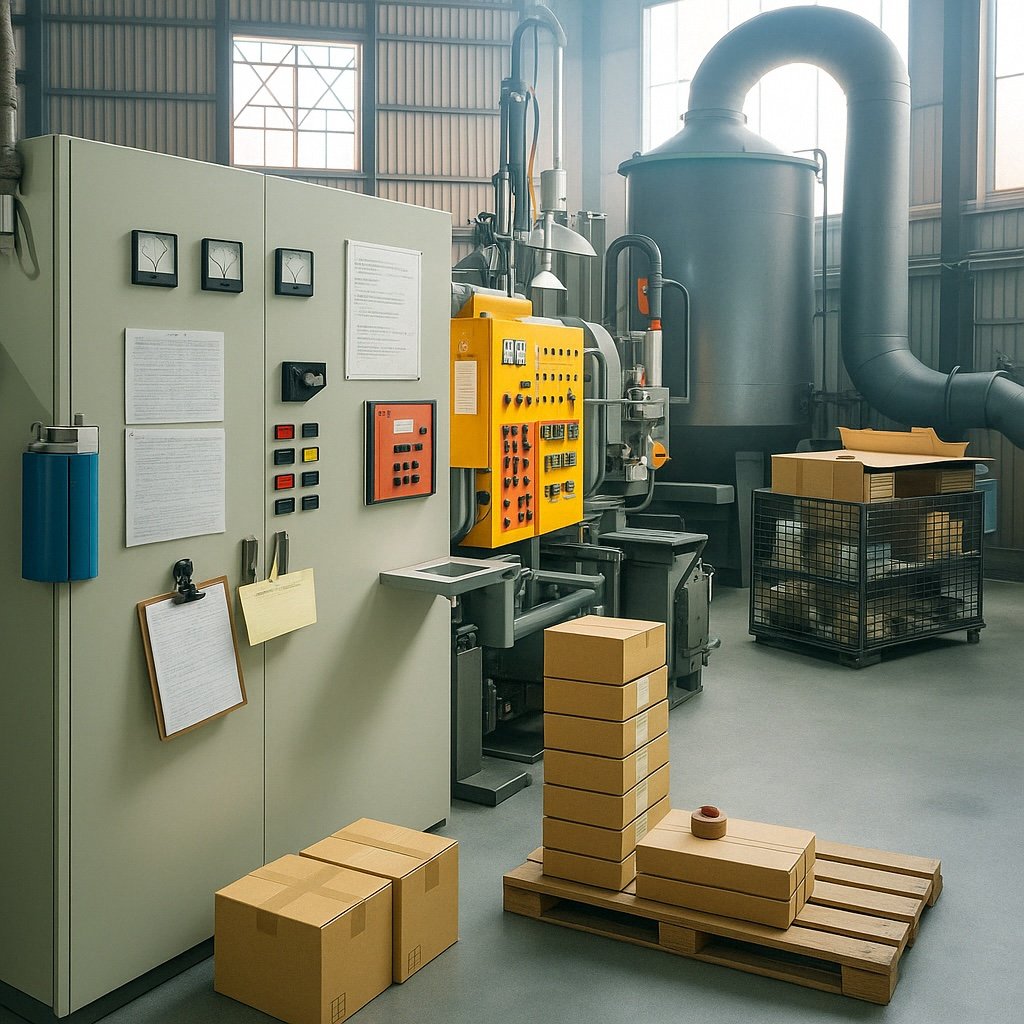
Can one part use more than one process?
Yes. Many programs combine processes — for example, a forging or a casting that is then machined and finished. Please say so in the RFQ and send both the process drawing and the finished-part drawing when they are available.

Where are parts produced?
We manufacture the parts we quote. The origin that applies to an order is stated on the quotation and on the shipping documents.

Will you sign an NDA before we send drawings?
Yes. Start on our NDA page, then submit the files on the RFQ page.
What should I include in an RFQ?
The current 2D drawing and 3D model with matching revision numbers, material and finish, first-release quantity and estimated annual usage, and any inspection or documentation needed. A fuller checklist is on the RFQ page.
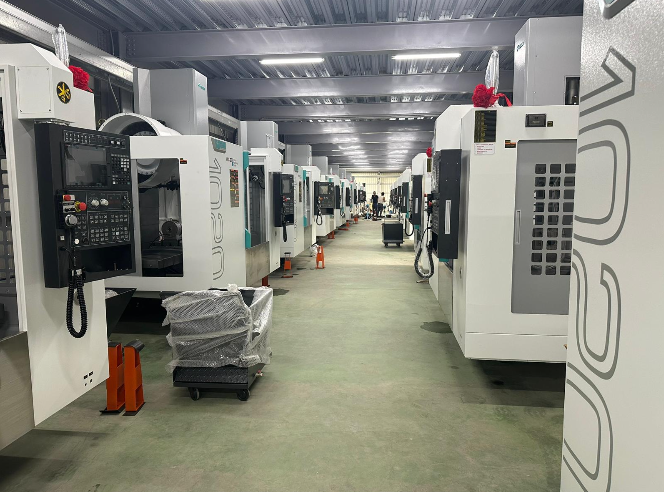
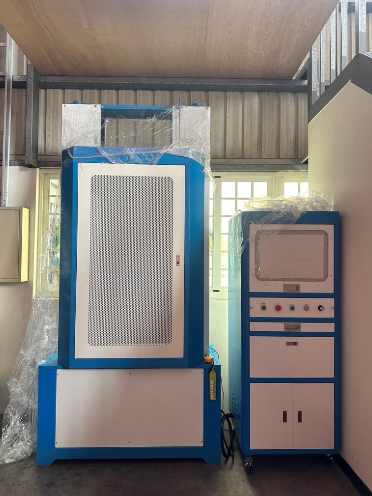
CNC Machines & Tensile Test Machine


.jpg?width=1536&height=1024&name=ChatGPT-Image-Apr-16-2025-03_45_03-PM%20(1).jpg)


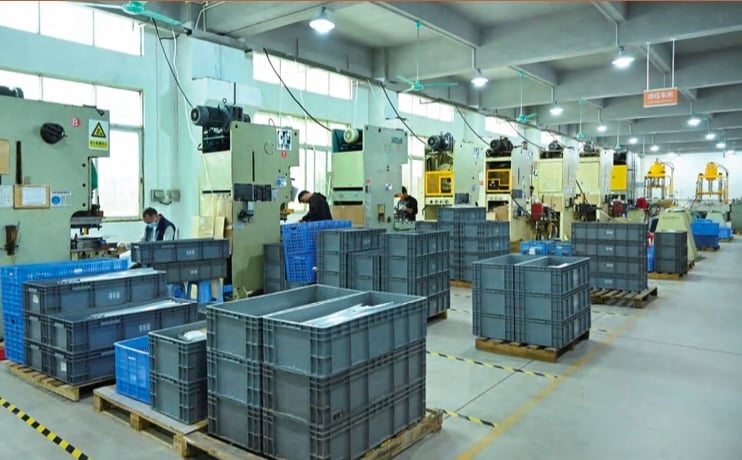
Production line


Have a part to quote?
Send the drawing, the process already in mind if it is known, and the quantities expected.
Our engineering, QC and production team will review the part as it will be made and inspected.